 By
By 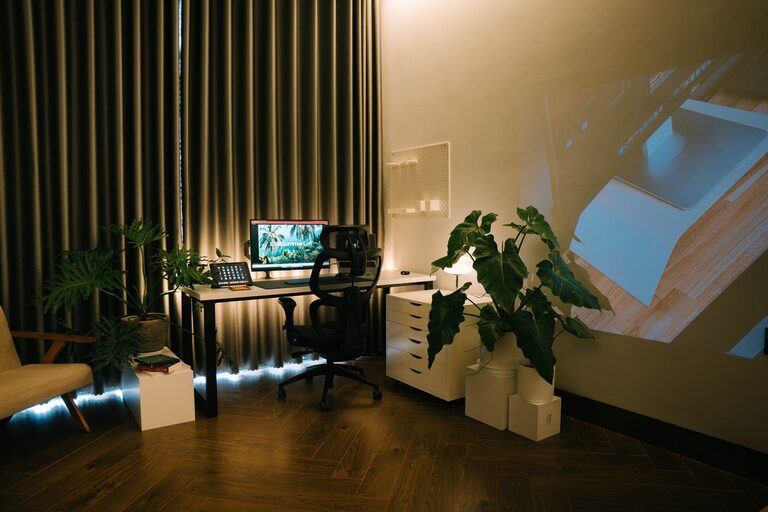
Creating a relaxing home workspace is essential for maintaining focus, reducing stress, and enjoying your workday. Whether you work remotely full-time or occasionally, having a dedicated, calming workspace can improve both your mood and efficiency. In this post, we’ll explore practical steps to design a home workspace that feels inviting and helps you stay productive.
Why a Relaxing Workspace Matters
Your environment greatly influences how you feel and work. A cluttered or noisy space can lead to distraction and frustration. In contrast, a well-thought-out, relaxing workspace promotes calmness and clarity, making it easier to concentrate and complete tasks efficiently. Small changes can make a big difference in your daily work experience.
Choosing the Right Location
Find a Quiet Spot
Select a place in your home that’s relatively quiet and free from frequent interruptions. This might be a spare room, a corner in the living room, or even a section of your bedroom. The key is to have a space where you can focus without loud noises or distractions.
Consider Natural Light
Where possible, position your workspace near a window. Natural light helps improve mood and reduces eye strain. If your space lacks natural light, invest in a good quality desk lamp with adjustable brightness and color temperature to keep your workspace well-lit.
Ergonomic Furniture
Invest in a Comfortable Chair
A supportive chair is crucial for long hours of work. Look for one with adjustable height and good lumbar support to maintain healthy posture. Sitting comfortably helps prevent back and neck pain.
Desk Height and Layout
Your desk should be at a height where your arms can rest comfortably, with your wrists straight when typing. Keep essential items within easy reach to reduce unnecessary stretching or strain.
Declutter and Organize
Keep it Simple
A clutter-free desk helps keep your mind clear. Start by removing items you don’t need daily and organizing your supplies in drawers, containers, or shelves.
Use Storage Solutions
Use baskets, trays, or drawer organizers to keep papers, pens, and other tools tidy. Labeling can make it easier to find what you need quickly.
Personalize with Calming Elements
Add Greenery
Plants not only brighten your space but also improve air quality and create a soothing atmosphere. Choose low-maintenance plants like succulents or pothos if you’re new to plant care.
Choose Soothing Colors
Soft, neutral tones or pastel shades on your walls or accessories can make your workspace feel more peaceful. Avoid overly bright or harsh colors that may cause visual fatigue.
Include Comfort Items
Consider adding a soft rug, cushions, or a cozy throw blanket to make your space inviting. Personal touches like framed photos or artwork can make your workspace feel uniquely yours without causing distraction.
Manage Noise and Distractions
Use Noise-Canceling Headphones
If your home is noisy, noise-canceling headphones can help you focus by reducing background sounds.
Play Soft Background Music
Some people find soft instrumental music or nature sounds helpful for concentration. Experiment to see what works best for you.
Incorporate Break Spaces
Designate a Spot for Breaks
If your workspace allows, create a small area to step away from your desk during breaks. This could be a comfortable chair or a window nook where you can stretch or relax briefly.
Practice Mindful Breaks
Use your break time to stretch, breathe deeply, or do brief meditation. These activities can refresh your mind and prevent burnout.
Keep Technology in Check
Manage Screen Time
View your computer screen at eye level and take short breaks every hour to reduce eye strain. Use blue light filters during late hours to protect your eyes.
Cable Management
Organize your cables with clips or ties to avoid a tangled mess that can add stress and frustration.
Maintain Healthy Habits
Stay Hydrated
Keep a water bottle or glass nearby to remind yourself to drink water throughout the day.
Healthy Snacks
Having nutritious snacks within reach can keep your energy steady without too many distractions.
Final Thoughts
Creating a relaxing home workspace doesn’t require a major overhaul; it’s about making thoughtful adjustments that suit your needs and preferences. By paying attention to ergonomics, organization, lighting, and personalization, you can craft a comfortable and inviting space that supports your productivity and well-being. Start small, and gradually tweak your setup until it feels just right for you. Happy working!