 By
By 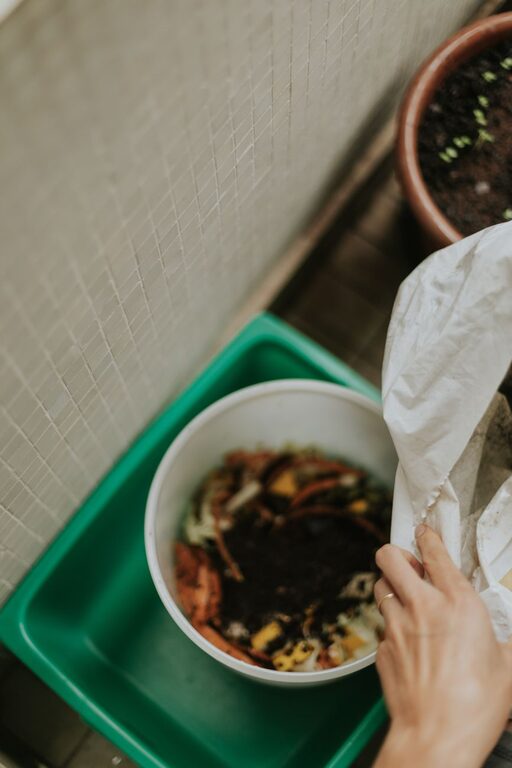
Reducing food waste at home is a win-win situation: it helps you save money and contributes to environmental sustainability. By being mindful about how we shop, store, and use food, we can significantly cut down on the amount of perfectly edible food that ends up in the trash. In this post, we’ll explore practical and easy-to-implement ways you can reduce food waste in your own kitchen.
Understanding Food Waste at Home
Before jumping into solutions, it’s helpful to understand where most food waste happens. Common causes include buying too much, improper storage, cooking excessive portions, and not using leftovers creatively. With some awareness and small habit changes, you can make a big difference.
Plan Your Meals and Shopping Wisely
Make a Shopping List
Creating a shopping list based on your meal plan helps you buy only what you need. Take inventory of what’s already in your pantry, fridge, and freezer before heading out. This prevents buying duplicates or items you won’t use right away.
Shop With a Purpose
Try to stick to your list and avoid impulse buys. Buying in bulk is great for staples but be cautious with perishable items unless you’re confident they’ll be used in time.
Buy “Ugly” Produce
Many fruits and veggies get discarded because of their appearance, despite being perfectly good to eat. Try buying less-than-perfect produce from farmers’ markets or grocery stores—they’re often cheaper and reduce waste.
Store Food Properly to Extend Freshness
Use Airtight Containers
Keep leftovers and opened products sealed in airtight containers to prevent spoilage. This also helps maintain flavor and texture.
Understand Storage Needs
Different foods require different storage conditions. For example, some fruits like apples last longer in the fridge, while others like bananas do better at room temperature. Learn the best way to store common items in your home.
Label and Rotate
Label your food with the date you bought or cooked it. Use the “first in, first out” method—consume older items before newer ones to avoid expiration.
Use Leftovers Creatively
Plan for Leftovers
When cooking, make just enough or plan meals that allow leftovers to be part of the next day’s menu. Examples include turning roast chicken into chicken salad or soups.
Repurpose Scraps
Vegetable peels, stems, and bones can be used to make stocks or broths. Bread ends can be toasted and used as croutons. This reduces waste and adds flavor to meals.
Freeze to Preserve
If you have leftovers you won’t eat soon, freeze them. Many foods freeze well and can be enjoyed later without loss of quality.
Practice Portion Control
Serving appropriate portion sizes reduces uneaten food on plates. Start with smaller servings and allow second helpings if desired. This approach lessens plate waste.
Compost Food Scraps
Some food waste is inevitable. Composting kitchen scraps like fruit and vegetable peelings, coffee grounds, and eggshells returns valuable nutrients to the soil instead of filling landfills.
Educate and Involve Your Household
Encourage family members or roommates to participate in reducing food waste. Sharing tips and responsibilities makes the process easier and more effective.
Benefits of Reducing Food Waste
– Saves Money: Less food thrown away means spending less on groceries.
– Protects the Environment: Reducing waste lowers methane emissions from landfills and conserves resources used in food production.
– Promotes Healthy Eating: Thoughtful meal planning often leads to more balanced eating habits.
Final Thoughts
Reducing food waste at home doesn’t require a big lifestyle change—just a few simple, consistent habits. By planning meals, storing food properly, using leftovers wisely, and being mindful when shopping, you can make a positive impact on your budget and the planet. Give these strategies a try and share your own tips in the comments below!