 By
By 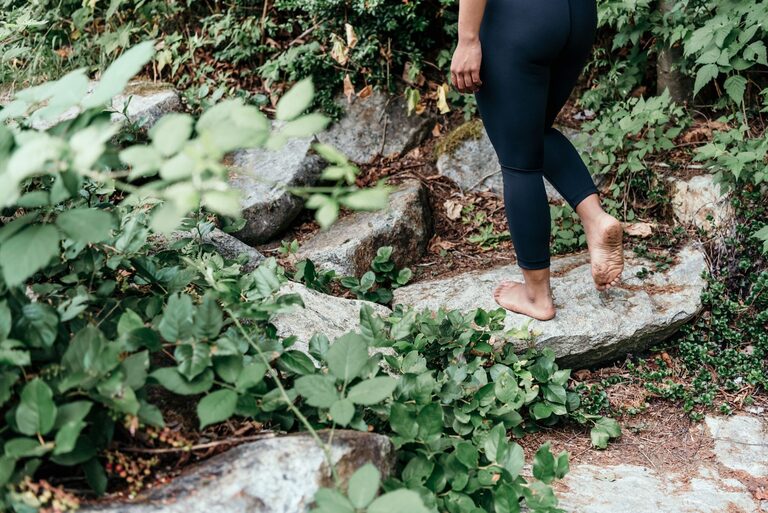
Mindful walking is a simple yet powerful practice that blends the benefits of meditation with the natural movement of walking. It’s accessible to everyone, requiring no special equipment or location. By focusing your attention on the experience of walking, you can cultivate greater awareness, reduce stress, and enhance your overall well-being. This beginner’s guide will introduce you to mindful walking, explain its benefits, and offer practical tips to get started.
What Is Mindful Walking?
Mindful walking is a form of meditation practiced while walking. Unlike brisk exercise or casual strolling, mindful walking encourages you to bring full attention to each step, your body sensations, and your surroundings. It is about being present, observing without judgment, and connecting to the here and now.
Benefits of Mindful Walking
Mindful walking offers many benefits for both the mind and body:
– Reduces stress and anxiety: Focusing on your breath and movement helps calm the mind.
– Improves concentration: It trains your attention and helps you stay focused.
– Enhances physical well-being: Walking gently supports cardiovascular health and circulation.
– Promotes emotional balance: It encourages a relaxed, peaceful state and can elevate your mood.
– Connects you to nature: When practiced outdoors, it deepens your appreciation of the environment.
How to Practice Mindful Walking: Step-by-Step
Follow these simple steps to begin your mindful walking practice:
1. Choose Your Location
Select a quiet, safe place to walk. It could be a park, garden, quiet street, or even indoors if needed. The setting should allow you to walk slowly without interruptions.
2. Start with a Few Deep Breaths
Before you begin walking, stand still and take 3 to 5 slow, deep breaths. Feel the air enter your lungs and notice the sensations in your body.
3. Walk Slowly and Naturally
Begin walking at a pace slower than your usual stride. Keep your back straight and relax your shoulders.
4. Focus on Your Steps
Pay close attention to each step. Notice how your heel touches the ground, how your foot rolls forward, and how your toe lifts off. Feel the movement and weight shifting through your legs.
5. Observe Your Body and Breath
Be aware of your body sensations—muscle movements, balance, and posture. Notice your breathing rhythm as you walk.
6. Engage Your Senses
Look around and observe colors, shapes, and textures. Listen to sounds like birds, wind, or footsteps. Feel the air on your skin or the warmth of the sun.
7. Return Gently When Distracted
Your mind may wander to thoughts or worries. That’s normal. When you notice distractions, simply acknowledge them without judgment and gently bring your attention back to your walking.
8. End with Stillness
After walking mindfully for 10 to 20 minutes, stop and stand still again. Take a few deep breaths, notice how you feel, and carry that sense of calm with you.
Tips for a Successful Mindful Walking Practice
– Set a regular time: Consistency helps build the habit.
– Start small: Begin with 5 to 10 minutes and gradually increase the duration.
– Wear comfortable shoes: Comfortable footwear supports relaxed and mindful movement.
– Be patient: Mindfulness is a skill that grows with practice.
– Try guided mindful walking: Apps or online videos can provide helpful guidance.
– Practice indoors if needed: Use a hallway or room where you can walk back and forth.
– Combine with other mindfulness practices: Pair with breathing exercises or body scans for deeper relaxation.
Common Challenges and How to Overcome Them
– Restlessness or boredom: Remind yourself that mindfulness is about observing, not forcing excitement. Vary your route to keep it interesting.
– Physical discomfort: Adjust your pace or posture, and take breaks if needed.
– Busy mind: This is part of the process. Gently returning your focus is the key.
– Time constraints: Even a few mindful steps during daily routines can be beneficial.
Who Can Benefit from Mindful Walking?
Anyone can benefit from mindful walking—whether you are new to mindfulness, looking to reduce stress, or seeking a gentle way to incorporate meditation into daily life. It is especially helpful for people who find sitting meditation challenging or prefer more movement-based practices.
Final Thoughts
Mindful walking is an approachable, enjoyable way to cultivate mindfulness in everyday life. By dedicating just a few minutes to walking with full attention, you can invite more calm, clarity, and connection into your day. Give it a try, and step into a more peaceful state of being.
—
Start today by simply noticing your next step—welcome to the journey of mindful walking!